
Business model
Define the customer, service format, operating hours and experience before comparing equipment.
For investors evaluating the Brazilian market
A practical overview of touchless technology, site requirements, operating logic and the questions that should close before capital is committed.
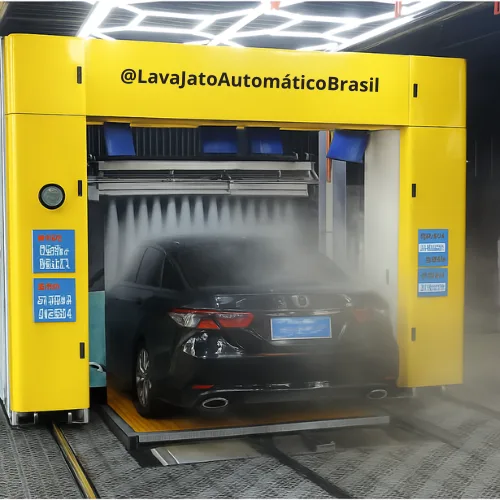
Start with the whole operation
A viable project connects demand, site, technology, operating capacity and cash. These four areas should be evaluated together.
Define the customer, service format, operating hours and experience before comparing equipment.
Check access, eligible traffic, queue space, exit flow, utilities and property restrictions.
Compare wash architecture, sensors, chemical dosing, drying, water use, parts and support.
Bring equipment, importing, construction, installation, opening costs and working capital into one view.
How it works
Cycle time alone does not define capacity. Payment, positioning, queue design and exit circulation also affect the customer experience and daily throughput.
The customer understands the flow, selects a program and positions the vehicle.
Sensors read position and vehicle contour within the machine’s operating limits.
Chemicals, water and high pressure work through a configured sequence.
Programs may add wax, treated water and other finishing stages.
Drying and signaling release the vehicle and prepare the bay for the next cycle.
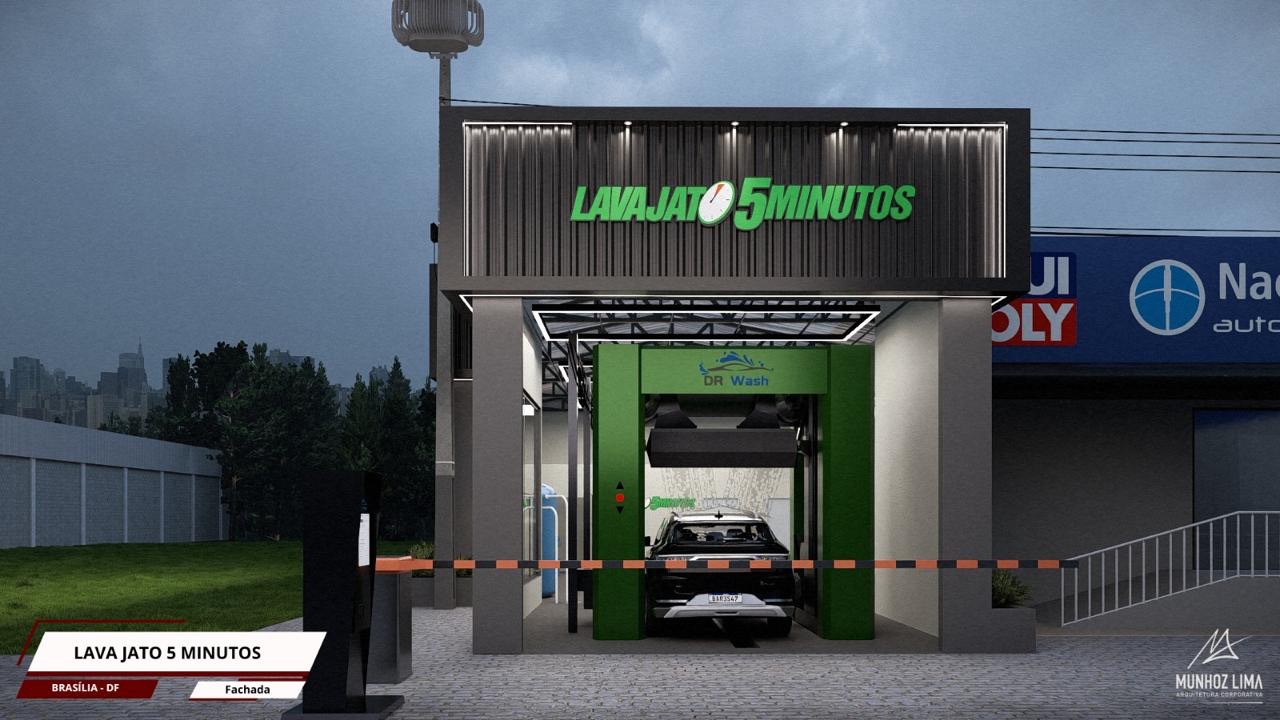
Technology in context
Nozzle architecture, sensors, dosing, drying, water treatment, telemetry, critical parts and technical support change both performance and operating cost.
We work with official importing and technical selection alongside partner manufacturers in China for projects developed for the Brazilian market.
Site and infrastructure
The relevant question is whether eligible traffic can enter, wait, wash and leave safely without creating friction for the surrounding operation.
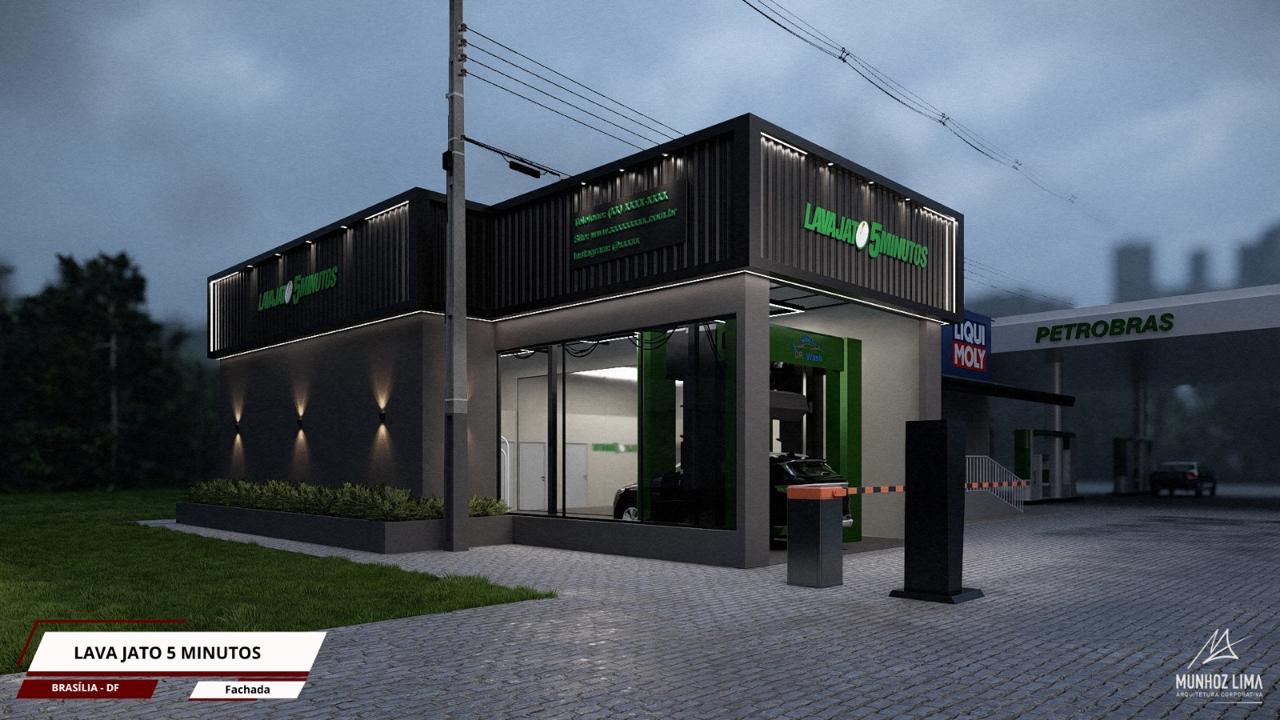
Total investment
A credible estimate separates the visible purchase from everything required to open, operate and absorb the first months of demand.
Configuration, freight, taxes, exchange rate, commissioning and spare parts.
Civil work, drainage, electrical supply, water, technical room and vehicle circulation.
Licenses, payment system, signage, initial chemicals, training and launch.
Working capital, maintenance routine, customer acquisition and demand ramp-up.
No revenue, margin or payback figure should be treated as a guarantee. Results depend on local demand, pricing, utilization, cost structure and execution.
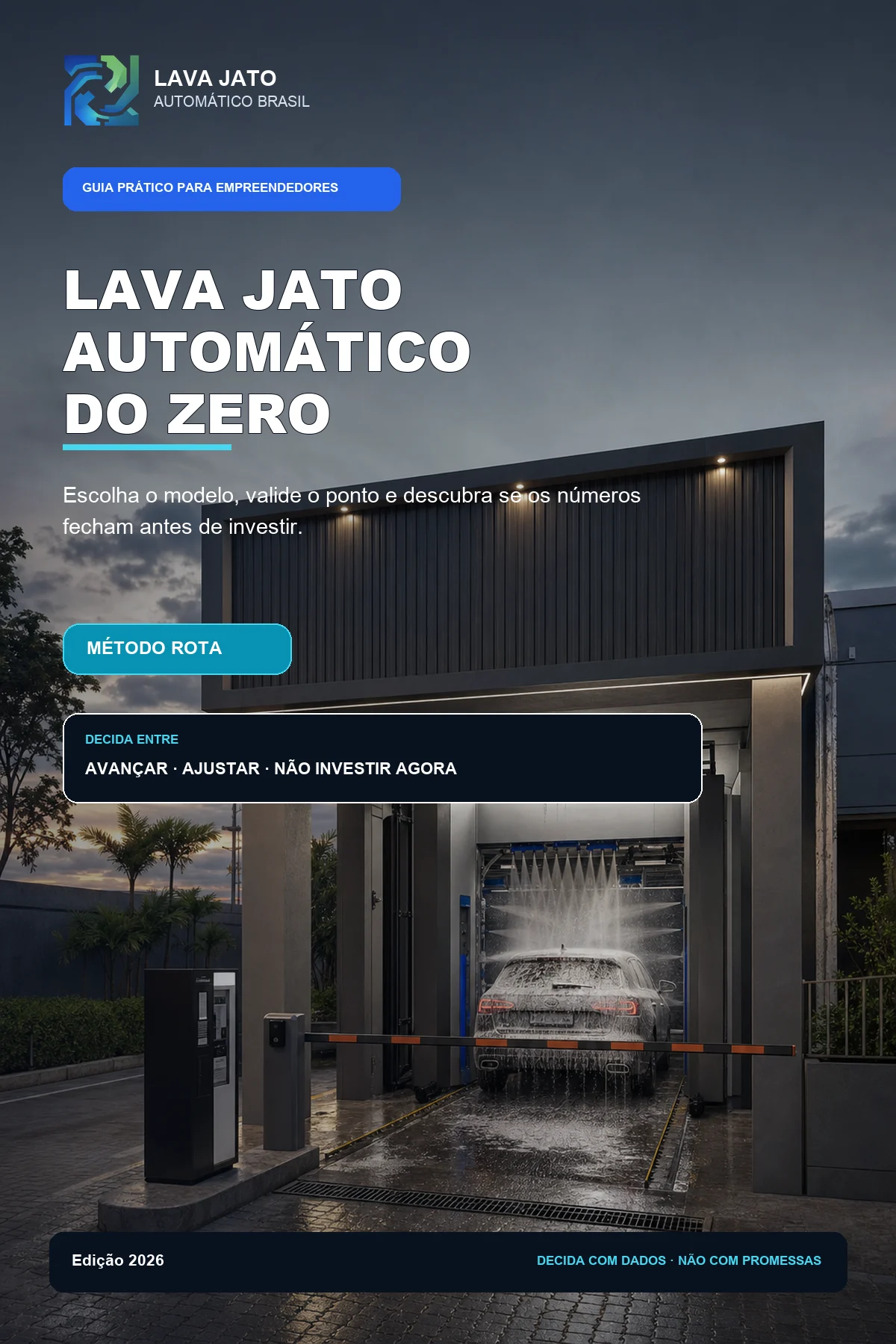
Continue with a structured method
A practical guide for investors who want to organize the business model, site, technology, investment and next steps before committing capital in Brazil.
About the source
Lava Jato Automático Brasil combines technical research, machine evaluation, official importing and implementation planning for the Brazilian market.
The goal of this content is to improve the questions investors ask. It does not replace project-specific technical, legal, environmental or financial validation.
Review the decision path